

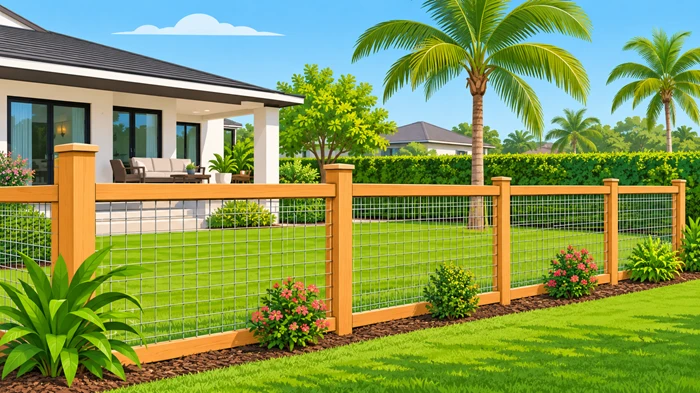
A fence does more than mark property boundaries. It can improve privacy, define outdoor spaces, protect gardens, and add character to your home’s exterior. Among the many fencing options available today, a hog wire fence has become a popular choice for homeowners who want a balance of durability, visibility, and modern design.
Originally used for containing livestock, this fencing style has found its way into residential landscapes, gardens, patios, and outdoor living areas. Its open metal grid creates a clean appearance while allowing natural light and airflow to pass through.
But what exactly makes this fencing option different from traditional wood or vinyl designs? Is it suitable for residential properties, and what should homeowners consider before installing one?
This guide explains how it works, its benefits, common applications, design options, and important installation considerations.
Key Takeaways
-
Hog wire fencing combines strong welded metal grids with a practical, open design.
-
It works well for gardens, backyards, patios, and property boundaries.
-
Wood frames and protective metal finishes offer different appearance and maintenance options.
-
Proper materials, installation, and local code compliance help improve long-term performance.
What Is a Hog Wire Fence?
A hog wire fence is a type of welded wire fencing made from thick metal wires arranged in a rectangular or square grid pattern. The wires are joined at their intersections to create a rigid panel that provides strength and stability.
Although the name comes from its traditional use in livestock enclosures, this fencing style is now widely used in residential landscaping and outdoor construction.
Unlike solid wood or vinyl barriers, a hog wire fence has an open structure. This allows homeowners to establish clear property boundaries without completely blocking views of their surroundings.
Most residential installations use galvanized steel panels or coated metal grids. These panels can be attached to wooden or metal posts, depending on the desired appearance and structural requirements.
The result is a practical fencing solution that combines functionality with a simple architectural appearance.
How Does Hog Wire Fencing Work?
The basic structure consists of a welded metal grid supported by posts and horizontal framing members. The metal wires create a series of evenly spaced openings, while the surrounding structure keeps the panels securely in place.
The size and thickness of the wire openings can vary depending on the manufacturer and intended application.
For residential projects, the supporting frame is particularly important. It distributes the panel’s weight, helps maintain alignment, and provides a secure connection between individual sections.
A properly constructed installation generally includes:
-
Welded wire panels for the main fencing surface.
-
Vertical posts to support the structure.
-
Horizontal rails or framing members.
-
Appropriate fasteners and brackets.
-
Protective coatings to help resist corrosion.
The overall strength depends on the quality of the materials, post spacing, anchoring method, and installation workmanship.
Benefits of Installing a Hog Wire Fence
Homeowners often choose this fencing style because it offers several practical advantages without creating a heavy or enclosed appearance.
1. A Clean and Open Appearance
One of its biggest advantages is the ability to define an outdoor space without making the property feel closed off.
The grid pattern maintains visibility across the yard, allowing landscaping, trees, and garden features to remain part of the overall view.
This makes it particularly useful for smaller properties where solid fencing can make outdoor areas feel restricted.
2. Durable Construction
Welded metal panels provide a sturdy structure that can handle everyday outdoor conditions.
Galvanized steel offers additional protection against corrosion, while suitable powder-coated finishes provide another protective layer.
However, durability depends on the quality of the metal, coating, fasteners, and supporting structure. Regular inspections are still important, especially in humid or coastal environments.
3. Low Maintenance Requirements
Compared with traditional wood fencing, metal panels generally require less routine maintenance.
They do not need regular painting or staining to maintain their appearance, although exposed wood framing may require periodic sealing or refinishing.
Occasional cleaning and checking for damaged coatings, loose connections, and rust spots can help extend the fence’s service life.
4. Versatile Residential Applications
This fencing style can be adapted to several outdoor settings.
It works as a garden enclosure, backyard boundary, patio divider, or decorative barrier around specific landscape features.
Homeowners can also combine it with different framing materials to create a design that complements the architecture of their property.
5. Better Airflow and Visibility
Solid barriers can restrict airflow and block views. An open metal grid offers a different approach.
The spaces between the wires allow breezes and natural light to pass through, making the surrounding outdoor area feel more connected.
However, the open construction provides limited privacy, so additional landscaping may be necessary for homeowners seeking visual screening.
Popular Hog Wire Fence Designs for Residential Properties
There are several ways to incorporate this fencing style into a home’s exterior. The right choice depends on the property’s layout, existing materials, and overall landscaping design.
1. Wood-Framed Panels for a Natural Look
One of the most recognizable hog wire fence ideas involves combining metal grids with timber framing.
The contrast between natural wood and metal creates a balanced appearance that works with contemporary, rustic, and farmhouse-inspired properties.
Residential hog wire fence panels can be installed between wooden posts to create a consistent boundary around a backyard or garden.
For a polished appearance, choose rot-resistant or properly treated lumber and use exterior-grade fasteners.
2. Modern Black Metal Finish
A dark metal finish creates a more defined appearance and pairs well with contemporary exterior designs.
A black hog wire fence can complement light-colored walls, concrete patios, stone pathways, and modern landscaping.
The darker grid also creates a subtle visual boundary without making the outdoor area appear completely enclosed.
Choose a suitable corrosion-resistant coating, particularly for properties exposed to moisture and salt air.
3. Framed Panels for Backyard Boundaries
Another popular approach uses hog wire fence panels with wood frame construction to create a consistent boundary around residential outdoor spaces.
The timber supports provide a finished appearance, while the metal inserts maintain visibility.
This design is suitable for larger backyards, garden areas, and outdoor entertainment spaces.
4. Garden and Vegetable Enclosures
Metal grid fencing is also useful for creating designated gardening areas.
The openings make it easier to monitor plants while establishing a physical boundary around flower beds and vegetable gardens.
The finished design can be customized with different panel heights and frame materials to suit the landscape.
5. Contemporary Outdoor Dividers
A modern hog wire fence can work as an attractive divider between a patio, lawn, swimming pool area, and garden.
Rather than surrounding the entire property, homeowners can install shorter sections to separate functional outdoor zones.
This creates visual organization without sacrificing the open feeling of the landscape.
Where Can You Install Hog Wire Fencing?
The versatility of this fencing option makes it suitable for different residential applications.
Here are some common locations where homeowners can consider using it.
Backyard Boundaries
It can define property boundaries while maintaining views of surrounding greenery.
For homeowners who do not need complete privacy, this can be a practical alternative to solid fencing.
Garden Protection
Garden enclosures help establish a physical barrier around plants and landscaping features.
The grid structure also makes it possible to incorporate climbing plants, provided the supporting structure is designed to handle the additional weight.
Patio and Outdoor Living Areas
Installing panels around selected sections of a patio can help distinguish seating and entertainment areas from the rest of the yard.
The open design maintains a connection between indoor and outdoor spaces.
Poolside Areas
Fencing around swimming pools requires particular attention to local safety regulations.
An open grid should never be assumed to meet pool-barrier requirements simply because it provides a physical boundary. Panel openings, height, gates, latches, and other safety specifications must comply with applicable regulations.
What Materials Are Used in Hog Wire Fencing?
Choosing the right materials is essential for creating a fence that looks good and performs well over time.
Galvanized Steel
Galvanized steel panels have a protective zinc coating that helps reduce corrosion.
They are a common option for outdoor installations because they offer strength and practical weather resistance.
Powder-Coated Metal
Powder-coated panels feature an additional protective finish that can provide a consistent appearance and help protect the underlying metal.
The quality of the coating and preparation process matters, particularly in coastal locations.
Wood Framing
Wood is frequently used for posts, rails, and panel surrounds.
Cedar and pressure-treated lumber are common choices for exterior projects. The correct selection depends on the budget, appearance, exposure conditions, and maintenance expectations.
Metal Posts and Frames
Metal supports offer another option for homeowners seeking a more uniform contemporary appearance.
They can also reduce the amount of exposed wood requiring maintenance.
Is Hog Wire Fencing Suitable for South Florida Homes?
South Florida’s climate creates some specific considerations for outdoor fencing projects.
High humidity, frequent rainfall, strong sunlight, and coastal salt exposure can affect fencing materials over time.
For this reason, material selection should be a priority.
Consider the following before installation:
-
Corrosion protection: Select appropriately galvanized or coated metal panels.
-
Wood treatment: Use suitable exterior-grade lumber and protective finishes.
-
Fasteners: Choose corrosion-resistant hardware compatible with the panel and frame materials.
-
Structural support: Ensure posts and foundations are appropriate for the site’s soil and wind exposure.
-
Routine inspections: Check connections, protective coatings, and wood components for deterioration.
Proper installation also matters. A poorly supported structure can develop alignment problems, loose connections, or premature material damage.
Homeowners should discuss local conditions and material specifications with an experienced fencing professional before choosing a final design.
Do You Need a Permit to Install a Hog Wire Fence?
Permit requirements depend on the property’s location, fence height, design, and intended use.
South Florida municipalities and counties may have different rules regarding fence placement, property setbacks, visibility, materials, and permitted heights.
For example, the City of Miami requires permits for residential and commercial fencing projects. Broward County also publishes specific fence permit procedures and documentation requirements.
Before beginning construction, homeowners should check the applicable local regulations and determine do you need a permit to replace a fence.
A current property survey can also help establish boundaries and identify easements or other restrictions.
For additional information, consult the City of Miami’s fence permit requirements or the relevant local building department.
Should You Hire a Professional Fence Contractor?
Although the panels may appear straightforward, proper installation involves more than attaching metal grids to wooden posts.
Accurate measurements, suitable post spacing, secure connections, ground preparation, and local code compliance all contribute to the finished result.
A professional can also help determine which panel specifications and framing materials are appropriate for the property.
Homeowners planning a fencing project can explore experienced fence contractors near me to compare available services and discuss installation requirements.
Top Renovations is a home renovation company in South Florida, helping homeowners improve their properties through renovation and exterior improvement projects. Working with an experienced renovation team can make it easier to coordinate fencing with other outdoor upgrades.
For homeowners managing several improvements at once, planning material choices and project costs together can also help how to stay within budget during a home renovation.
How Much Maintenance Does a Hog Wire Fence Need?
Although metal fencing is generally considered a low-maintenance option, occasional care is necessary.
Start by washing away accumulated dirt, leaves, and other debris with water and a mild cleaning solution.
Inspect the metal grid for scratches, damaged protective coatings, and early signs of corrosion. Addressing these problems promptly can help prevent more extensive deterioration.
Wooden components should also be checked for moisture damage, cracking, and fading.
A fresh protective finish may be needed periodically, depending on the wood species and exposure to weather.
For homeowners with timber framing, understanding how to stain a fence with simple steps can help maintain the appearance of exposed wood.
Final Thoughts
Choosing the right fencing material can make a noticeable difference in the appearance and functionality of your outdoor space. A hog wire fence offers a practical combination of strength, visibility, and design flexibility, making it worth considering for gardens, backyards, and contemporary landscapes.
The key is selecting suitable materials, planning the supporting structure, and ensuring the installation meets local requirements.
For South Florida homeowners, paying attention to corrosion resistance, weather exposure, and professional installation can make a significant difference in long-term performance. With the right planning, this fencing style can complement your property while providing a durable and attractive outdoor boundary.
Frequently Asked Questions
1. What is a hog wire fence made of?
It is generally made from welded steel wires arranged in a grid pattern, supported by wood or metal posts and framing.
2. Is hog wire fencing good for residential properties?
Yes, it is suitable for many residential applications, including gardens, backyards, patios, and decorative boundaries.
3. Does hog wire fencing provide privacy?
No, its open grid design provides visibility rather than full privacy, although landscaping can offer additional screening.
4. Does hog wire fencing rust?
It can rust when protective coatings deteriorate, but galvanized steel and suitable coated finishes help reduce corrosion.
5. Is hog wire fencing expensive to install?
The overall cost depends on panel quality, fence dimensions, framing materials, labor, site conditions, and local permit requirements.