

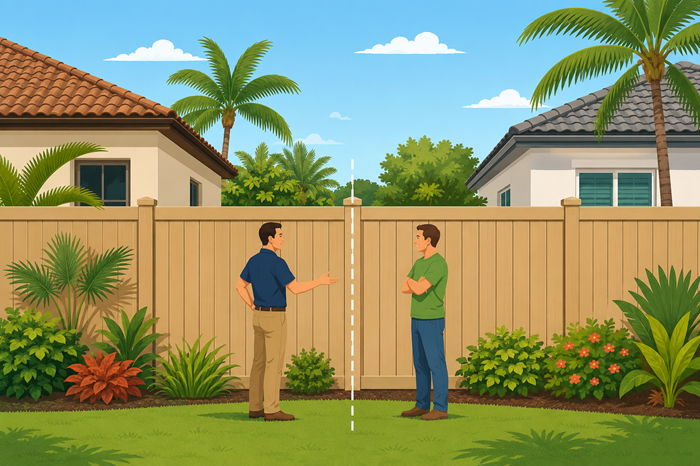
Property lines can become a surprisingly sensitive topic once a fence enters the conversation. Whether you’re replacing an aging structure, adding privacy, or upgrading curb appeal, many South Florida homeowners eventually ask the same question: who actually pays for the fence between neighbors?
The answer depends on several factors, including ownership, placement, local regulations, and whether both parties benefit from the installation. In many cases, understanding your rights and responsibilities before construction begins can prevent disputes, delays, and unnecessary expenses later on.
If you’re planning a new fence installation, working with a trusted fence contractor near me can help you avoid common permitting and boundary mistakes while ensuring the project meets local South Florida codes.
Why Boundary Fences Cause Confusion
Unlike interior renovations, fences physically affect two properties at once. That creates confusion around ownership, maintenance, and payment obligations.
Many homeowners assume that if a fence sits directly on the property line, both neighbors automatically split the cost. In reality, Florida law does not always require shared payment unless there is an agreement in place.
Before building anything, it’s important to understand:
- Where the legal property line sits
- Whether the fence benefits both homes
- Which city or county permit rules apply
- How maintenance responsibilities will work long term
Without those details, a simple fence project can quickly turn into a neighborhood disagreement.
Who Usually Pays for a Neighbor-Facing Fence?
In most South Florida neighborhoods, the homeowner requesting the fence installation pays for it. That’s especially true if the fence is fully inside their property line.
However, things become more flexible when:
- Both homeowners want the fence
- The structure sits directly on the boundary line
- Both parties agree to share maintenance and costs
This is where many conversations about sharing fence with neighbour arrangements begin. While verbal agreements happen often, written agreements are always safer for both sides.
When Cost Sharing Makes Sense
Splitting the expense can be reasonable when the fence provides equal value to both properties. For example:
- Increased privacy
- Pool safety
- Noise reduction
- Security improvements
- Better visual appearance
In these situations, sharing cost of fence with neighbour becomes easier when expectations are discussed early.
Still, no homeowner should assume the other party is legally required to contribute unless a formal agreement exists.
Does Fence Placement Matter?
Absolutely. Fence placement is one of the most important details in determining ownership.
Fence Built Fully Inside One Property
If the fence is placed entirely within your property boundaries, you generally:
- Pay the full installation cost
- Control material and design choices
- Handle repairs and maintenance
- Own the structure legally
This setup avoids ownership confusion but may reduce usable yard space slightly.
Fence Built Directly on the Property Line
Boundary-line fences often involve mutual agreement between neighbors. In these cases:
- Both homeowners may contribute financially
- Maintenance responsibilities may be shared
- Future modifications usually require discussion
Because property surveys can differ from assumptions, a professional survey is strongly recommended before construction starts.
Do You Need a Permit for a Fence in South Florida?
In most South Florida cities and counties, yes — fence permits are required.
Permit requirements vary by municipality, but local governments commonly regulate:
- Fence height
- Material type
- Placement from sidewalks or roads
- Pool safety compliance
- Visibility near intersections
Skipping permits can create serious problems later, especially during home sales or inspections.
Common South Florida Fence Permit Rules
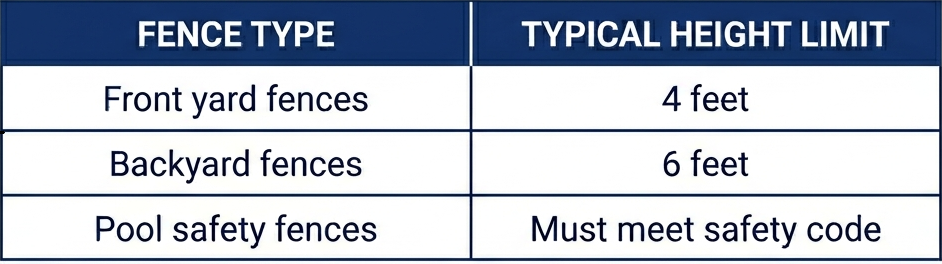
While every municipality differs slightly, many areas follow similar standards:
Homeowners associations may also impose additional design restrictions beyond city requirements.
Before installation, check both municipal and HOA guidelines.
Why Surveys Matter Before Fence Installation
One of the biggest mistakes homeowners make is relying on old fence lines instead of actual surveys.
Just because an old fence existed somewhere does not mean it marked the correct boundary.
A current property survey helps:
- Prevent accidental encroachment
- Avoid legal disputes
- Confirm setback compliance
- Protect property value
In South Florida neighborhoods where homes sit close together, even a few inches can create long-term conflicts.
What Happens if a Neighbor Disagrees?
Fence disagreements are more common than many homeowners expect.
Sometimes the dispute involves design preferences. Other times, neighbors disagree about property lines or payment expectations.
The Best First Step: Communication
Most fence conflicts can be reduced through calm, early conversations.
Before construction begins:
- Explain your plans clearly
- Share measurements or surveys
- Discuss timelines
- Ask whether they want to participate financially
Being proactive often prevents tension later.
When Agreements Should Be Written
If both parties agree to share expenses or maintenance, a simple written agreement can help avoid misunderstandings.
The document should outline:
- Total project cost
- Contribution amounts
- Ownership responsibilities
- Future repair obligations
- Material decisions
Even informal agreements benefit from written documentation.
Choosing the Right Fence Material for South Florida
South Florida weather creates unique challenges for fencing materials. Heat, humidity, rain, and hurricane exposure all affect long-term durability.
Wood Fences
Wood remains popular for privacy and traditional aesthetics. However, moisture exposure can increase maintenance needs over time.
If you’re deciding between materials, this guide comparing wood vs vinyl fence options in South Florida weather can help you understand durability and upkeep differences.
Vinyl Fences
Vinyl fencing performs well in humid climates and requires less maintenance than wood. It’s also resistant to termites and rot.
Many homeowners now prefer vinyl for long-term convenience.
Aluminum and Metal Fencing
Metal fencing works well for decorative boundaries, pool enclosures, and security-focused properties. Aluminum is especially popular because it resists rust better than traditional steel.
Privacy Considerations in South Florida Homes
Backyards in South Florida are often designed for outdoor living. Privacy fencing has become increasingly popular for patios, pools, and entertainment spaces.
Homeowners exploring stylish upgrades often look into modern privacy fence styles that complement tropical architecture while improving seclusion.
Privacy fences can also reduce noise from nearby roads or neighboring yards, adding both comfort and property value.
Repair vs Replacement: When Should You Upgrade?
Not every fence issue requires a complete replacement.
Minor problems such as leaning posts or loose panels can sometimes be repaired cost-effectively.
For example, if structural stability is the issue, learning how to fix a broken fence post may extend the life of the existing fence without requiring a full rebuild.
However, replacement becomes more practical when:
- Multiple sections are damaged
- Rot or corrosion spreads extensively
- The fence no longer meets code
- Storm damage compromises safety
A professional inspection can help determine the most economical solution.
Financing a New Fence Project
Fence installations can become significant investments depending on materials, height, and property size.
Many homeowners plan upgrades in phases or explore financing options before starting construction.
If budgeting is part of your planning process, this resource about financing a new backyard fence explains several practical ways homeowners manage installation costs.
Planning ahead financially often reduces stress during larger exterior renovations.
Fence Etiquette Every Homeowner Should Follow
Good neighbor relationships matter just as much as good construction.
Simple courtesy can prevent unnecessary friction during fence projects.
Best Practices Include:
- Discussing plans before work begins
- Respecting property access limitations
- Keeping construction debris contained
- Choosing visually acceptable designs
- Following local regulations carefully
Even if you legally own the fence, maintaining cooperative communication benefits everyone involved.
Backyard Fence Border Ideas for Shared Spaces
When neighboring properties share visible outdoor areas, thoughtful design choices can improve aesthetics for both homes.
Popular backyard fence border ideas in South Florida include:
- Decorative landscaping along fence lines
- Horizontal slat designs
- Mixed-material fencing
- Tropical greenery integration
- Lighting accents for nighttime appeal
Well-designed fencing can create separation without making outdoor spaces feel closed off.
How to Find the Right Fence Contractor
Not all fencing companies understand South Florida permitting, weather conditions, and HOA requirements equally well.
When comparing contractors, look for:
- Local experience
- Permit knowledge
- Hurricane-resistant installation methods
- Material warranties
- Verified reviews
- Transparent estimates
Searching for a reliable fence company near me should involve more than price alone. Proper installation directly impacts durability and compliance.
Final Thoughts
Installing a neighbor-facing fence in South Florida involves more than choosing materials and scheduling construction. Property boundaries, permit requirements, cost-sharing expectations, and communication with neighbors all play an important role in avoiding future disputes.
In most situations, the homeowner initiating the project pays for the fence unless both parties voluntarily agree otherwise. Clear communication, accurate surveys, and proper permitting remain the safest approach.
Whether you’re upgrading privacy, improving security, or modernizing outdoor spaces, planning the project carefully from the start can save time, money, and frustration later.
FAQs
Do both neighbors legally have to pay for a shared fence in Florida?
No, payment is only required if both parties agree to share the expense.
Do I need a permit to install a fence in South Florida?
Most South Florida municipalities require permits before fence installation.
Can I build a fence directly on the property line?
Yes, but mutual agreement and a property survey are strongly recommended.
What is the best fence material for South Florida weather?
Vinyl and aluminum are popular due to their durability in humid climates.
Can HOA rules override city fence guidelines?
HOAs can add additional restrictions even when city permits are approved.